
Winter Blues or Something More? Understanding Seasonal Affective Disorder
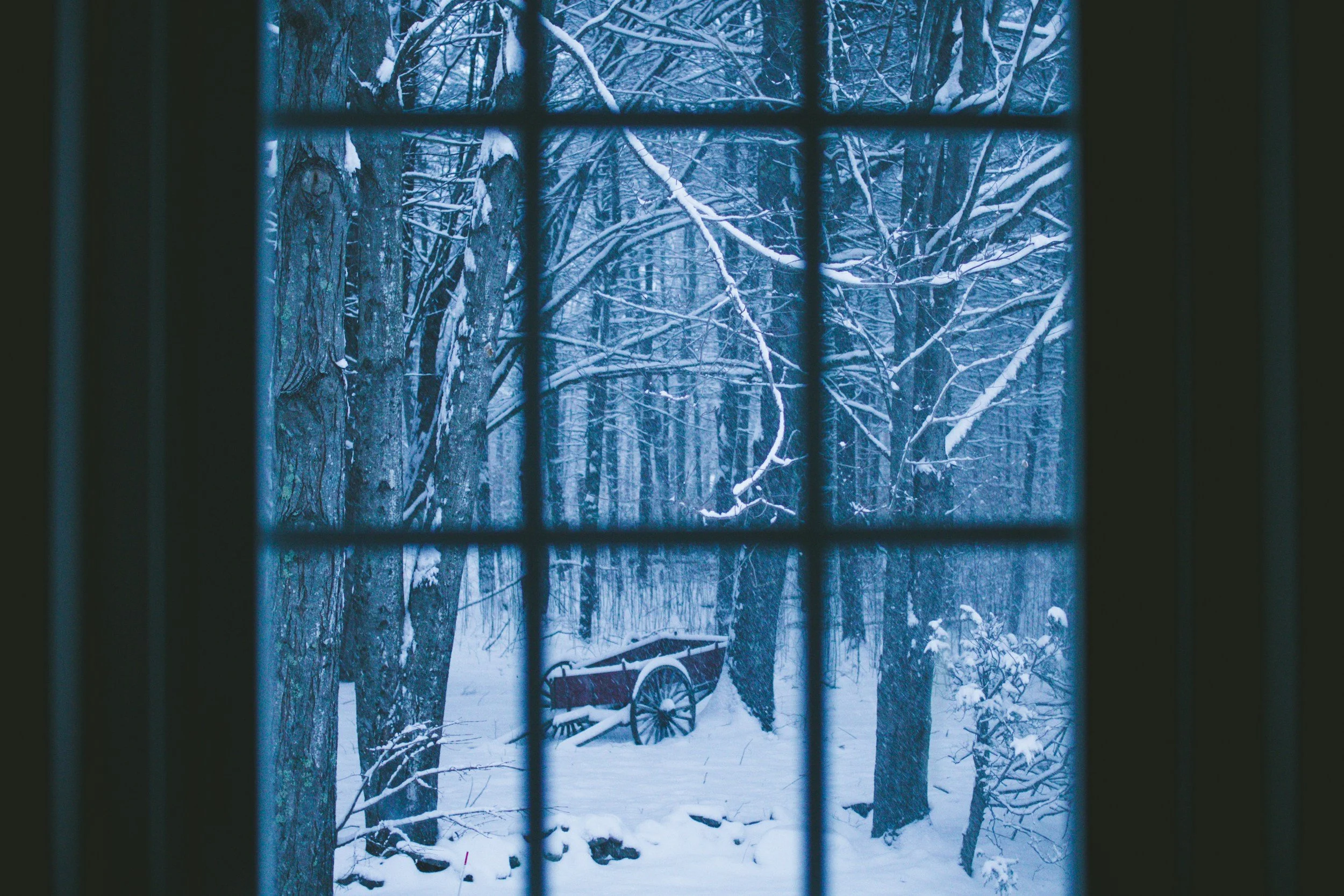
The days are getting shorter. Darkness arrives earlier each evening, and morning comes later. You find yourself hitting the snooze button more often, craving carbs and comfort foods, and feeling an unfamiliar heaviness that wasn't there a few months ago. Your energy is lower, your motivation has dipped, and social activities that usually sound fun now feel like too much effort.
Is this just the natural response to cold, dark weather—what people casually call the "winter blues"? Or could it be something more significant, like Seasonal Affective Disorder (SAD)? And more importantly, what can you do about it?
As a psychiatric mental health nurse practitioner practicing in Colorado, where we experience distinct seasonal changes, I see many clients struggling with the transition into winter. Understanding the difference between a mild seasonal mood shift and clinical SAD is important because it determines what kind of support and interventions will be most helpful. Today, let's explore the spectrum of seasonal mood changes, understand what's happening in your body and brain, and discuss evidence-based strategies for navigating the darker months ahead.
The Spectrum of Seasonal Mood Changes
Not everyone who feels a bit down in winter has Seasonal Affective Disorder. Seasonal mood changes exist on a spectrum:
Mild Winter Preference Changes: Many people notice small shifts in winter—preferring to stay home more, sleeping slightly longer, or feeling a bit less energetic. These changes are mild, don't significantly interfere with daily functioning, and feel more like preferences than problems.
Subsyndromal SAD (Winter Blues): This involves noticeable mood and energy changes that are uncomfortable but don't meet the full criteria for clinical depression. You can still function—going to work, maintaining relationships, taking care of responsibilities—but everything feels harder and less enjoyable than usual.
Seasonal Affective Disorder (SAD): This is a form of clinical depression that follows a seasonal pattern, typically beginning in fall or winter and remitting in spring or summer. SAD isn't just feeling a bit down—it's meeting the criteria for major depressive disorder during specific seasons while being free of depression during other times of the year.
The key distinction is severity and impact on functioning. If seasonal changes are significantly interfering with your work, relationships, self-care, or quality of life, you're likely dealing with something beyond typical winter blues.
What is Seasonal Affective Disorder?
SAD is a subtype of major depressive disorder characterized by a seasonal pattern. While most people with SAD experience symptoms in fall and winter (winter-pattern SAD), a small percentage experience symptoms in spring and summer (summer-pattern SAD). We'll focus primarily on the more common winter-pattern SAD.
Common symptoms of winter-pattern SAD include:
Persistent low mood or sadness most of the day, nearly every day
Loss of interest in activities you usually enjoy
Low energy and fatigue, even with adequate sleep
Sleeping much more than usual (hypersomnia)
Craving carbohydrates and overeating, often leading to weight gain
Difficulty concentrating and making decisions
Feelings of hopelessness or worthlessness
Social withdrawal (wanting to "hibernate")
Physical heaviness, especially in arms and legs
To be diagnosed with SAD, these symptoms need to:
Occur during specific seasons for at least two consecutive years
Be more frequent during seasonal periods than non-seasonal periods
Significantly impact your daily functioning
Not be better explained by other factors (like seasonal stressors or anniversaries of difficult events)
The Biology Behind SAD: Why Does This Happen?
Understanding what's happening in your body and brain during winter can help you feel less confused by your symptoms and more empowered to address them.
Circadian Rhythm Disruption: Your body has an internal biological clock (circadian rhythm) that regulates sleep, mood, appetite, and energy. This clock is primarily set by light exposure. In winter, reduced daylight exposure can shift your circadian rhythm, disrupting sleep patterns and contributing to depressive symptoms.
Serotonin Changes: Sunlight influences serotonin production and activity. Lower light exposure in winter can lead to reduced serotonin levels—the same neurotransmitter that many antidepressants target. Lower serotonin is associated with depressed mood, increased appetite, and sleep changes.
Melatonin Overproduction: In darkness, your body produces melatonin, which makes you sleepy. With longer nights in winter, your body may produce melatonin for extended periods, contributing to excessive sleepiness and low energy.
Vitamin D Deficiency: Your body produces vitamin D when your skin is exposed to sunlight. In winter, especially at northern latitudes, vitamin D production drops significantly. Low vitamin D levels have been linked to depression and may play a role in SAD.
Genetic Factors: SAD tends to run in families, suggesting a genetic component. Some people's brains may be more sensitive to changes in light exposure and seasonal shifts.
Understanding these biological factors is important because it helps you recognize that SAD isn't a personal failing or "just in your head." It's a real physiological response to environmental changes that some people are more vulnerable to than others.
Winter Blues vs. SAD: How to Tell the Difference
Here are some questions to help you assess whether you're experiencing mild winter blues or something more significant:
Severity: Are your symptoms mild and manageable, or are they significantly impacting your daily life? Can you still do what you need to do, even if it's harder, or are you struggling to meet basic responsibilities?
Functioning: Are you able to maintain your work performance, relationships, and self-care routines? Or have these areas noticeably declined since fall began?
Duration: Have your symptoms lasted for most of the day, nearly every day, for at least two weeks? SAD symptoms are persistent, not just occasional bad days.
Pattern: Have you noticed this happening in previous winters, or is this the first time you're experiencing these changes?
Intensity: Do you feel mildly less energetic and somewhat less interested in activities, or do you feel deeply fatigued, hopeless, and unable to enjoy anything?
If you're answering "significant impact," "struggling," "persistent," and "intense" to these questions, you may be experiencing SAD rather than typical winter blues, and professional support could be very beneficial.
Evidence-Based Treatments for SAD
The good news is that SAD is highly treatable. Multiple evidence-based interventions can help, and they can be used alone or in combination:
Light Therapy
Light therapy involves sitting near a specialized light box that emits bright light (typically 10,000 lux) for about 20-30 minutes each morning. This is considered a first-line treatment for SAD with strong research support.
How it works: The bright light exposure helps reset your circadian rhythm, increases serotonin activity, and reduces melatonin production during daytime hours.
What to know:
Use a light therapy box specifically designed for SAD (not just any bright light)
Timing matters—morning use is most effective for most people
You typically need to use it daily throughout fall and winter
Results often appear within 1-2 weeks
Side effects are usually minimal (headache or eye strain that typically resolves)
Shopping for a light box: Look for one that provides 10,000 lux at the recommended distance, is UV-free, and specifically marketed for SAD treatment. While there's an upfront cost, it's a one-time purchase that can be used for many years.
Psychotherapy
Cognitive Behavioral Therapy (CBT) specifically adapted for SAD has shown excellent results in research studies. CBT for SAD focuses on:
Identifying and challenging negative thought patterns that worsen mood
Increasing engagement in rewarding activities despite low motivation
Problem-solving winter-specific challenges
Developing coping strategies for difficult periods
Studies suggest that CBT for SAD may have longer-lasting benefits than light therapy alone, with effects persisting into subsequent winters.
Medication
Antidepressant medication, particularly SSRIs (selective serotonin reuptake inhibitors), can be effective for SAD. Bupropion (Wellbutrin), which affects both dopamine and norepinephrine, has been specifically approved by the FDA for preventing SAD when started before symptoms typically begin.
Medication might be particularly appropriate if:
Your symptoms are severe
You have a history of SAD recurring each year
You've tried light therapy or therapy without sufficient improvement
You prefer medication or it fits better with your circumstances
Vitamin D Supplementation
While research on vitamin D for SAD is mixed, many people with SAD have low vitamin D levels, and supplementation is generally safe and may help. Talk to your healthcare provider about checking your vitamin D levels and appropriate supplementation if needed.
Lifestyle Strategies That Help
Beyond these primary treatments, several lifestyle strategies can support your mental health during darker months:
Maximize Natural Light Exposure
Open curtains and blinds to let in as much natural light as possible
Sit near windows when working or reading
Take walks outside during daylight hours, especially midday
Keep indoor spaces brightly lit
Consider rearranging your workspace to be near a window
Maintain Regular Sleep-Wake Times
Go to bed and wake up at consistent times, even on weekends
Don't oversleep—while you may feel like hibernating, excessive sleep can worsen SAD symptoms
Create a morning routine that gets you out of bed rather than hitting snooze repeatedly
Stay Physically Active
Regular exercise is beneficial for all types of depression, including SAD
Outdoor exercise during daylight provides both movement and light exposure
Even gentle activities like walking can help
Find activities you can realistically maintain through winter (indoor options count!)
Stay Socially Connected
SAD often makes you want to withdraw, but isolation typically worsens symptoms
Schedule regular social activities, even if you don't feel like it
Be honest with friends and family about what you're experiencing
Consider joining a winter activity group or class
Eat Well
While carb cravings are common with SAD, try to maintain balanced nutrition
Include protein with meals to stabilize blood sugar and energy
Don't skip meals, even if appetite is affected
Consider omega-3 fatty acids, which may support mood
Plan Winter Activities to Look Forward To
Create positive associations with winter rather than just enduring it
Plan activities you enjoy: cozy movie nights, winter hobbies, indoor projects
Schedule winter getaways or trips to sunny locations if possible
Find aspects of winter to appreciate rather than just wishing it away
Special Considerations
Starting Treatment Before Symptoms Hit
If you have a pattern of SAD returning each winter, consider starting treatment before symptoms typically begin. This might mean:
Beginning light therapy in early fall
Starting preventive medication in late summer or early fall
Scheduling therapy sessions to start before your mood typically drops
This proactive approach can sometimes prevent or reduce the severity of symptoms rather than just responding to them once they've fully developed.
SAD and Other Mental Health Conditions
If you have depression or bipolar disorder that exists year-round, winter can make symptoms worse. This is different from SAD but requires similar attention to light exposure, sleep, and other factors. Work with your mental health provider to adjust your treatment plan seasonally if needed.
When Standard Approaches Aren't Enough
Sometimes SAD doesn't respond adequately to standard treatments. If you've tried light therapy, lifestyle changes, and/or therapy without sufficient improvement, it's important to:
Ensure your light therapy box is being used correctly (right intensity, duration, and timing)
Consider whether other factors might be contributing to symptoms
Discuss medication options with a psychiatric provider
Rule out other conditions that might be masking as or compounding SAD
The Importance of Self-Compassion
Living with SAD or significant winter blues can be frustrating. You might feel like you should just be able to "tough it out" or that your struggles aren't legitimate because they're "just seasonal." This self-judgment only adds to your burden.
Remember:
SAD is a recognized medical condition with biological underpinnings
Your symptoms are real, not a sign of weakness
Seeking treatment is smart, not an overreaction
It's okay to need extra support during certain seasons
Many successful, capable people experience SAD
Be patient and compassionate with yourself as you navigate the darker months. Finding the right combination of strategies may take some trial and error, and that's completely normal.
Looking Ahead: Spring Will Come
One of the hopeful aspects of SAD is its predictability. If you're experiencing winter-pattern SAD, you can be confident that spring will bring relief. This doesn't mean you should just wait it out—active treatment can make winter much more manageable—but it does mean that this difficult period has an endpoint.
As days begin to lengthen after the winter solstice, many people with SAD start to notice gradual improvement. By spring, symptoms typically resolve completely, often without any intervention. This predictable pattern means you can plan for it, anticipate it, and know that you're not permanently stuck in this state.
Taking Action
If you're struggling with winter blues or suspect you might have SAD, here are your next steps:
For mild winter blues:
Implement lifestyle strategies: maximize light, maintain routine, stay active
Monitor your symptoms to see if they worsen
Consider preventive measures for next winter
For moderate to severe symptoms:
Schedule an appointment with a mental health provider for proper assessment
Consider starting light therapy (you don't need a prescription, though guidance helps)
Don't wait until symptoms become unbearable—early intervention is more effective
For recurring SAD:
Develop a comprehensive treatment plan with your provider
Consider starting preventive treatment before symptoms typically emerge
Build a winter wellness routine that includes evidence-based interventions
You Don't Have to Just Endure Winter
The shorter days and longer nights of winter create real physiological changes that can significantly impact your mood, energy, and wellbeing. If you're struggling, you're not weak or overly sensitive—you're experiencing a recognized response to environmental changes that affects millions of people.
The difference between winter blues and Seasonal Affective Disorder matters because it guides your approach to feeling better. Whether you need light therapy, medication, therapy, lifestyle changes, or some combination, effective treatments exist. You don't have to just white-knuckle your way through winter, counting down the days until spring.
This winter, give yourself permission to take your seasonal struggles seriously. Seek support if you need it. Implement strategies that help. Be patient and compassionate with yourself as you navigate the darker months. And remember: spring will come, and until it does, you deserve care, support, and tools that help you not just survive winter, but find moments of light and warmth even in the darkest season.
At Empowered Psychiatry, we understand how significantly seasonal changes can impact mental health. Whether you're experiencing winter blues or Seasonal Affective Disorder, we offer comprehensive evaluation and treatment including therapy, medication management, and holistic strategies to help you navigate the changing seasons. If winter is affecting your wellbeing, contact us to learn more about how we can support you through the darker months.
