
The Healing Power of Creative Expression: Art, Music, and Mental Health
You don't need to be a skilled artist, musician, or writer for creativity to support your mental health. In fact, some of the most healing creative experiences happen when you let go of trying to make something "good" and simply allow yourself to express what's inside.
Creative expression—whether through painting, music, writing, dance, or any other medium—offers unique pathways to processing emotions, reducing stress, and connecting with yourself that talk-based approaches sometimes can't reach. Understanding how and why creativity heals can help you harness its power for your own wellbeing.
Why Creative Expression Heals
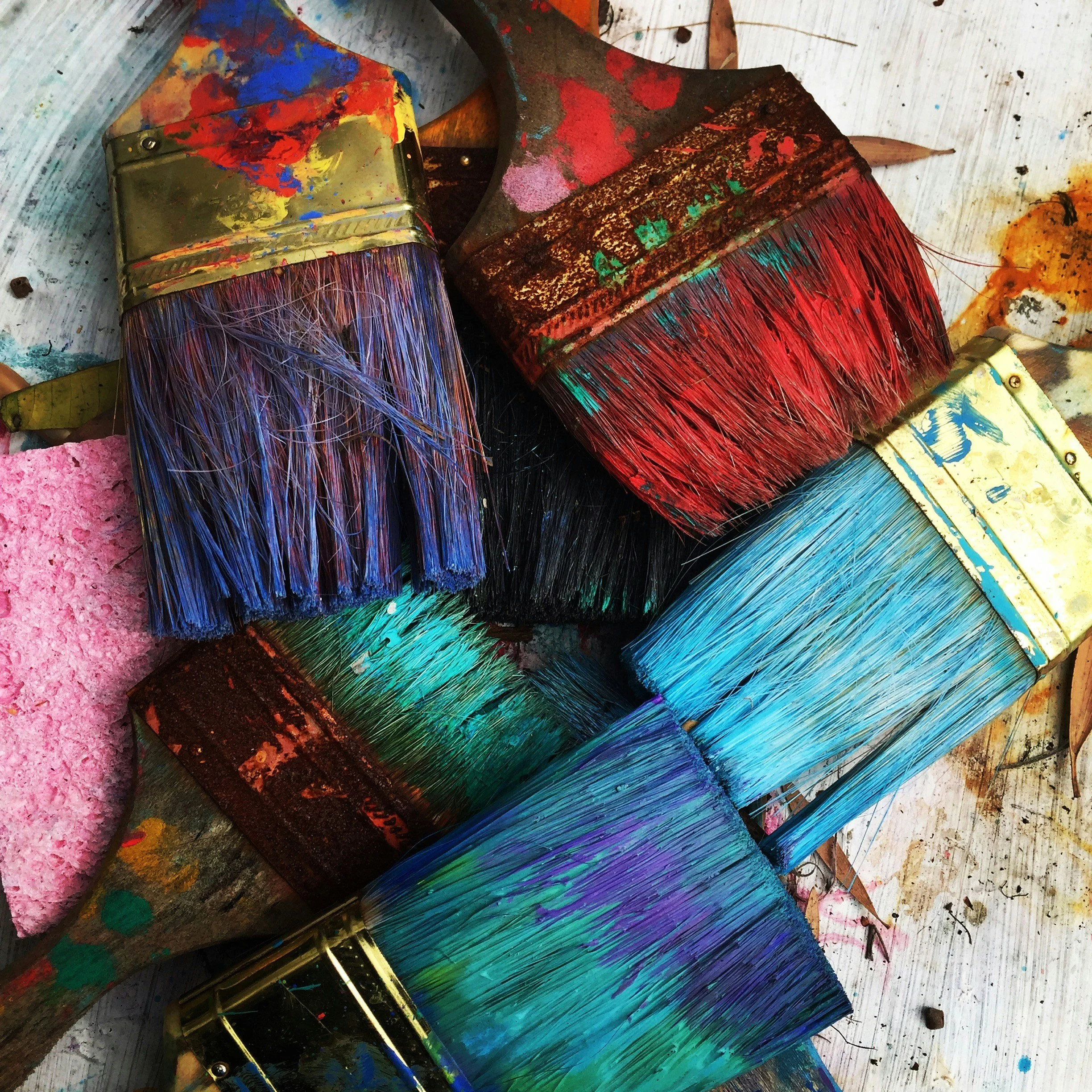
Creative activities engage your brain and body in ways that support mental health through multiple mechanisms:
Access to non-verbal processing. Not everything can be put into words. Sometimes emotions are too big, too complex, or too vague to articulate verbally. Creative expression allows you to process and communicate experiences that language can't fully capture.
Mindful engagement. When you're absorbed in creating—painting, playing music, writing—you enter a flow state where worry and rumination naturally quiet. This provides relief from anxious or depressive thought patterns.
Emotional release. Creative activities offer safe containers for expressing difficult emotions. You can put anger into vigorous brushstrokes, sadness into a song, or confusion into abstract shapes without needing to explain or justify your feelings.
Sense of control. Mental health struggles often involve feeling out of control. Creating something—even something small—restores a sense of agency and capability.
Self-discovery. The creative process often reveals things about yourself you didn't consciously know. What emerges on the page or canvas can offer insights into your inner world.
Joy and pleasure. Depression robs life of pleasure. Engaging with creativity can reconnect you with enjoyment, even if just for the duration of the activity.
Different Creative Paths, Different Benefits
Various forms of creative expression offer unique mental health benefits:
Visual arts (painting, drawing, sculpting, collage) provide immediate, tangible expression of internal states. You can literally see emotions take form. The sensory experience of working with materials—the feel of clay, the flow of paint—itself can be grounding and regulating.
Music (playing instruments, singing, songwriting) engages both emotional and cognitive centers of the brain. Music has documented effects on mood regulation, stress reduction, and emotional processing. Even just listening intentionally to music can shift your emotional state.
Writing (journaling, poetry, storytelling) helps organize chaotic thoughts and make sense of experiences. Putting experiences into narrative form can create distance from overwhelming emotions while still processing them.
Movement-based creativity (dance, choreography, improvisation) integrates body and mind, allowing emotions stored physically to be expressed and released. This is particularly powerful for trauma processing.
Crafts and making (knitting, woodworking, cooking, gardening) offer repetitive, meditative activities that calm the nervous system while creating something tangible. The focus required provides respite from difficult thoughts.
You Don't Need Talent or Skill
One of the biggest barriers to using creativity for mental health is the belief that you need to be good at it. This misconception keeps many people from accessing creativity's benefits.
The healing power of creative expression has nothing to do with the quality of what you produce. A "bad" painting that helped you process grief is infinitely more valuable than a technically perfect piece that left you feeling empty.
In fact, letting go of judgment about the outcome often makes creative activities more therapeutic. When you're not worried about whether something is "good," you can be more honest, experimental, and expressive.
How to Use Creativity for Mental Health
Start where you are. Use whatever materials you have. Cheap supplies work just as well as expensive ones for therapeutic purposes.
Focus on process, not product. The act of creating matters more than what you create. Give yourself permission to make something "ugly" or "bad."
Create without agenda. You don't need to make something meaningful or beautiful. Sometimes the most healing creative sessions produce work you immediately throw away.
Use prompts when helpful. If you're unsure where to start, use prompts: "Paint how anxiety feels," "Write about a place you feel safe," "Create something using only blue."
Allow whatever emerges. Don't censor or judge what comes out. If dark or difficult images or words emerge, that's okay—they're finding expression, which is the point.
Make it regular. Even 10 minutes of creative time several times a week can provide consistent mental health support.
Notice how you feel. Pay attention to how your mood or stress level shifts during and after creative activities.
When to Seek Art Therapy
While personal creative expression is valuable, sometimes working with a trained art therapist provides deeper benefits. Art therapy is a mental health profession where trained therapists use creative processes intentionally to support healing.
Consider art therapy if you're dealing with trauma, significant mental health challenges, or want structured support in using creativity for healing. Art therapists are trained to help you process what emerges and use creative expression strategically for specific therapeutic goals.
Permission to Create
You have permission to create badly. To make things no one else will see. To experiment without knowing what you're doing. To use creativity purely for the process, not the product.
Creative expression doesn't replace therapy or medication when those are needed, but it offers powerful complementary support for mental health. It provides pathways to healing that engage different parts of your brain and body than traditional approaches.
Your creativity doesn't need to be impressive. It just needs to be yours—honest, unfiltered expression of your inner world finding form in the outer one. That's where the healing happens.
At Empowered Psychiatry, we recognize that healing takes many forms. While we provide traditional therapy and medication management, we also value complementary approaches like creative expression. Contact us to learn more about our holistic approach to mental wellness.
